Discovering Bach's Trio Sonatas: Music, Master, and Meaning

Discovering Bach’s Trio Sonatas: Music, Mastery, and Meaning
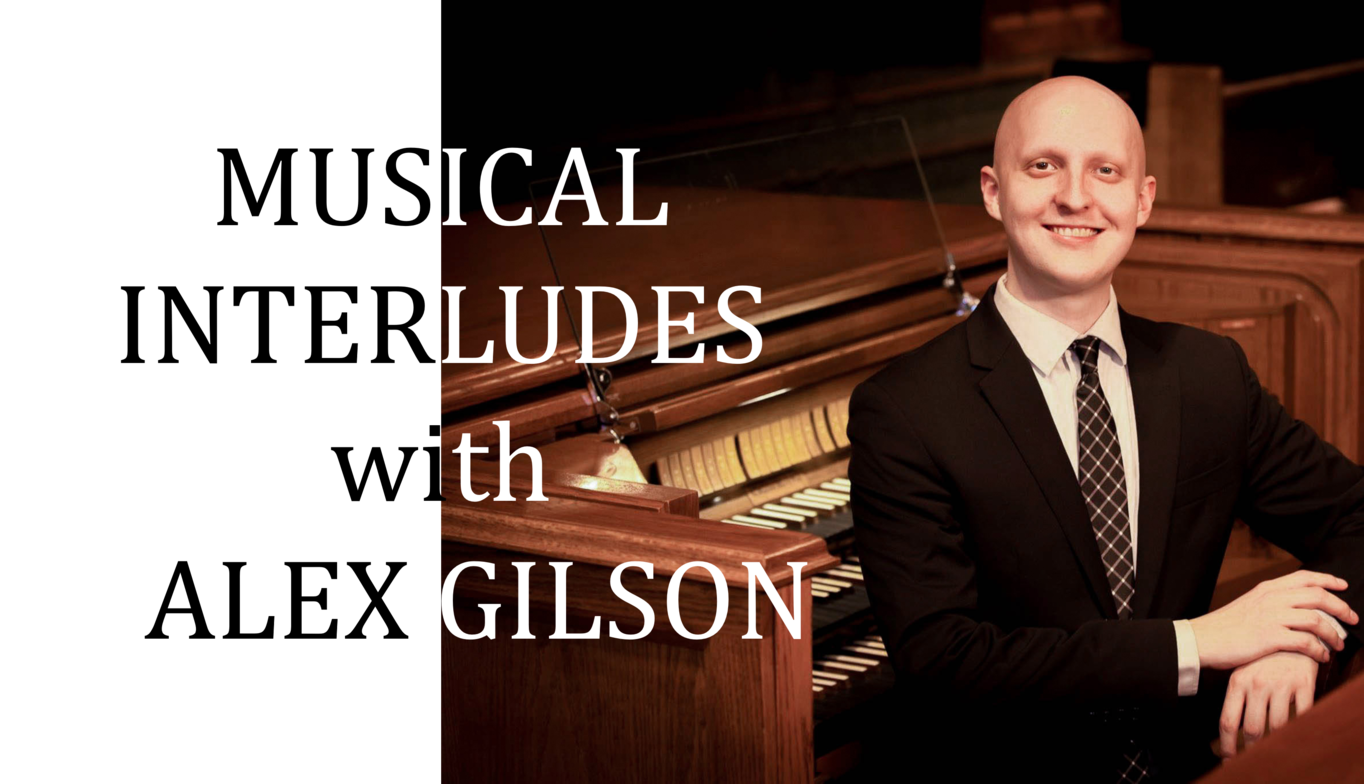
For my Musical Interlude on October 7, I will be performing two of Johann Sebastian Bach’s remarkable Trio Sonatas for organ: Sonata No. 2 in C minor, BWV 526, and Sonata No. 5 in C major, BWV 529. These works were composed while Bach lived and worked in Leipzig, and they remain among the most beautiful and tricky pieces in the organ repertoire.
It is widely believed that Bach composed the Trio Sonatas as instructional works for his eldest son, Wilhelm Friedemann Bach. Although they were intended as teaching pieces, they are anything but simple exercises. Each sonata consists of three completely independent musical voices. The right hand plays one melody, the left hand another, and the pedal part carries a third voice. Together, these three lines weave a musical conversation that is both baroque and virtuosic.
The Trio Sonatas have also played a significant role in my own development as an organist. The first Trio Sonata was one of the earliest major organ works that I truly mastered. I spent years working on that piece and even had it memorized! As a freshman in high school, I performed it in an organ competition in Oklahoma City, one of my first great showings as a performer.
Later, the Second Trio Sonata became equally important in my musical journey. I performed it during my audition for the position of Organ Scholar at the Church of the Incarnation in Dallas, Texas. Because of experiences like these, Bach’s Trio Sonatas have become more than just repertoire to me; they represent milestones in my growth as a musician.
What makes these works so valuable for organists is the skill they demand in managing independent musical lines. Playing the organ often feels like being an octopus at the console. Both hands must maintain separate musical voices while the feet provide the bass line below. At the same time, an organist must keep track of registration changes, manual changes, the swell pedals, dynamic adjustments, and rhythmic precision. In many ways, an organist functions as a one-person orchestra, and Bach’s Trio Sonatas provide an ideal foundation for developing that level of coordination and musical independence.
Beyond their technical brilliance, the Trio Sonatas are fascinating because of what they can stir in the imagination of the listener. The two voices in the hands are often treated as equals. Frequently, a musical idea introduced by one hand is quickly answered by the other. There is a sense of playfulness and dialogue between them that brings the music to life. Meanwhile, the pedal part not only participates in the thematic material but often serves as a grounding foundation beneath the activity above.
When I perform these works, I enjoy imagining different stories behind the music. One possibility is that the three voices represent members of Bach’s family. The two hand parts become children, perhaps siblings chasing one another around and getting into mischief, while the bass line represents Bach himself trying to keep everything under control.
At other times, I hear the music through a more spiritual lens. The three independent voices can be seen as a musical representation of the Holy Trinity. The upper voices, moving in close conversation, may symbolize the Son and the Holy Spirit, while the pedal voice provides a steady and foundational presence that evokes the Creator.
Whether heard as a lesson in musical craftsmanship, a glimpse into Bach’s family life, or a reflection of deeper spiritual truths, the Trio Sonatas continue to captivate performers and listeners alike. I look forward to sharing two of these extraordinary works on October 7 and inviting others into the beauty, complexity, and imagination that make them such enduring masterpieces.